Ever wondered how our neighbors down south transform the holiday season into a multi-week fiesta? Christmas in Mexico isn’t just a day—it’s virtually a lifestyle from early December through early January!
I’ve always been interested in how Mexican Christmas traditions merge Indigenous roots, Spanish colonial influence, and pure festive delight into something utterly distinct.
While we’re hanging stockings and singing carols, Mexican families are breaking piñatas, reenacting Mary and Joseph’s journey, and eating tamales at midnight.
Get ready to uncover over 200 fascinating facts that’ll make you want to book a flight to Mexico this December—or at least add some Mexican flair to your own celebrations!
5 Interesting Facts About Christmas in Mexico
- Christmas celebrations in Mexico officially last from December 12th through January 6th, making it nearly a month-long festival of joy and tradition.
- Las Posadas reenactments happen for nine consecutive nights before Christmas, symbolizing Mary and Joseph’s search for shelter in Bethlehem.
- Poinsettias are native to Mexico and were considered sacred by the Aztecs long before becoming a global Christmas symbol.
- Mexican families typically exchange gifts on January 6th (Three Kings Day) rather than December 25th, following the biblical story.
- The traditional Christmas Eve dinner, Cena de Nochebuena, often features bacalao (salted cod), romeritos, tamales, and pozole rather than turkey or ham.
10 Interesting Facts About Christmas in Mexico
- The celebration of Our Lady of Guadalupe on December 12th marks the official start of the Christmas season throughout Mexico.
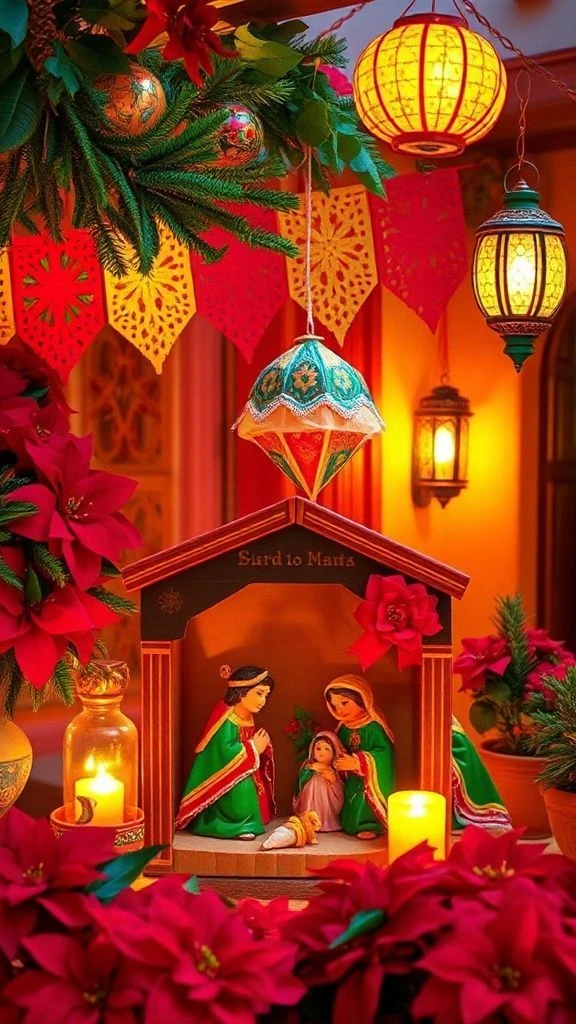
- Nativity scenes (nacimientos) are far more popular than Christmas trees in Mexican homes, often featuring elaborate handmade figures and landscapes.
- Children leave their shoes out on Three Kings Day Eve, hoping the Wise Men will fill them with gifts and treats.
- The traditional Mexican piñata has seven points representing the seven deadly sins, and breaking it symbolizes overcoming evil with faith.
- Tamales are prepared by the dozens—sometimes hundreds—for Christmas celebrations, with families gathering for massive tamaladas (tamale-making parties).
- Ponche navideño, a warm fruit punch made with tejocotes, guavas, and sugarcane, is served at nearly every Christmas gathering.
- Mexico City’s Zócalo features one of the world’s largest ice-skating rinks during the Christmas season, a surprising sight in this warm climate.
- Midnight Mass on Christmas Eve (Misa de Gallo, or “Rooster’s Mass”) is attended by millions across the country.
- The tradition of pastorelas—comedic theatrical plays depicting shepherds traveling to see baby Jesus—dates back to the 16th century.
- Radish carving competitions (Noche de Rábanos) happen in Oaxaca on December 23rd, showcasing intricate nativity scenes carved entirely from radishes.
Facts About Christmas in Mexico for Kids
- Santa Claus is becoming more popular in Mexico, but traditionally, the Three Wise Men (Los Reyes Magos) bring gifts to children.
- Kids participate in Las Posadas by singing traditional songs and processing through neighborhoods with candles and lanterns.
- Breaking piñatas filled with candy, fruits, and small toys is one of the most exciting parts of Mexican Christmas parties.
- Mexican children write letters to the Three Kings instead of Santa, often leaving them in their shoes along with hay for the camels.
- The Christmas season in Mexico is so long that kids get to celebrate multiple times with different traditions and treats.
- Buñuelos, crispy fried dough covered in cinnamon sugar, are a favorite Christmas dessert that kids help make and eat.
- Children often dress up as shepherds, angels, or even little devils during pastorela performances at school and church.
- Hot chocolate made with traditional Mexican chocolate tablets and cinnamon is served at breakfast throughout the holiday season.
- Kids learn traditional Christmas villancicos (carols) that blend Spanish and Indigenous musical traditions.
- The legend of La Flor de Nochebuena (the poinsettia) tells of a poor girl whose humble gift of weeds miraculously transformed into beautiful red flowers.
- Mexican children help build elaborate nacimientos with moss, figurines, and sometimes even working fountains and lighting.
- Sparklers and small fireworks are part of many Christmas celebrations, making the nights magical and bright.
- The tradition of asking for aguinaldo (a Christmas bonus or treat) means kids often receive extra sweets and small gifts throughout December.
- Rosca de Reyes, a special sweet bread eaten on Three Kings Day, contains hidden plastic baby Jesus figures—finding one means you host a party on February 2nd!
- Many Mexican families take children to see elaborate nativity scenes called “nacimientos vivientes” with live actors and animals.
10 Facts About Christmas in Mexico
- Las Posadas tradition involves splitting participants into two groups: “pilgrims” seeking shelter and “innkeepers” who initially reject them before welcoming everyone inside.
- The Christmas season technically doesn’t end until February 2nd (Candlemas Day), when families finally take down their nativity scenes.
- Papel picado (decorative perforated paper) in Christmas colors adorns homes, streets, and churches throughout the holiday season.
- Mexican Christmas colors include not just red and green, but also gold, silver, and the vibrant pink of poinsettias.
- Street vendors sell an incredible variety of Christmas treats, from candied fruits to traditional sweet tamales filled with pineapple or strawberries.
- The Christmas tree tradition was introduced to Mexico in the 19th century and has grown in popularity alongside traditional decorations.
- Luminarias (paper bag lanterns) line walkways and rooftops, creating a warm glow that guides participants during Las Posadas processions.
- Mexican families often spend Christmas Eve at church until well past midnight, then return home for the celebratory feast.
- The song “Mi Burrito Sabanero” is as iconic to Mexican Christmas as “Jingle Bells” is to American celebrations.
- Volunteer groups called “pastores peregrinos” travel throughout December bringing Christmas cheer to hospitals, orphanages, and elderly care facilities.
What Are 5 Christmas Traditions in Mexico
- Las Posadas processions recreate Mary and Joseph’s journey for nine nights, with different families hosting each night’s celebration and everyone ending with food, piñatas, and fellowship.
- Setting up elaborate nativity scenes that often occupy entire rooms, with families adding new handcrafted figures each year and arranging them with natural elements like moss and stones.
- Preparing and sharing tamales during Christmas, with different regions having their own special recipes passed down through generations—from sweet pineapple to savory mole versions.
- Celebrating Three Kings Day on January 6th with Rosca de Reyes, a oval-shaped sweet bread decorated with candied fruits, where hidden figurines determine who hosts the next party.
- Attending Misa de Gallo at midnight on Christmas Eve, after which church bells ring throughout towns and cities, and families return home to feast together until the early morning hours.
Why Does Mexico Celebrate Christmas on the 24th
- Mexican Christmas celebration focuses on Nochebuena (Good Night) on December 24th because it commemorates the actual night Jesus was born, emphasizing the sacred waiting and anticipation.
- The Spanish colonial Catholic tradition emphasized Christmas Eve as a time of religious reflection culminating in midnight Mass, which Mexican culture has preserved for centuries.
- December 24th allows families to stay together through midnight, attending Misa de Gallo and then returning home for a celebratory feast that extends into Christmas morning.
- The tradition reflects a theological emphasis on the nativity event itself rather than the aftermath, making the eve as important as the day.
- Mexican work schedules traditionally gave December 24th as a half-day, allowing families to prepare elaborate meals and gather without the pressure of returning to work.
- The focus on Christmas Eve aligns with the culmination of Las Posadas, which end on December 24th after nine nights of processions and prayers.
- Nochebuena celebrations mirror the European tradition brought by Spanish colonizers, which has been enriched with Indigenous and mestizo cultural elements over 500 years.
- The midnight timing symbolizes the transition from darkness to light, representing Jesus as the light of the world arriving at the darkest hour.
- Family gathering on the 24th allows for Christmas Day (December 25th) to be spent resting, visiting extended family, or continuing celebrations in a more relaxed atmosphere.
- The emphasis on communal celebration on Christmas Eve strengthens neighborhood and family bonds, as everyone participates in processions, meals, and midnight Mass together.
- December 25th is still a national holiday in Mexico, but it’s treated more as a continuation of the previous night’s celebration rather than the main event.
- This tradition creates a natural rhythm where the anticipation builds throughout December 24th, peaks at midnight, and carries the joy through the following day.
- The Christmas Eve focus allows for the extended Mexican Christmas season, where celebrations continue through January 6th without one single day bearing all the pressure.
- Modern Mexican families often blend both traditions, having gatherings on the 24th and gift exchanges on the 25th, especially in urban areas with American cultural influence.
- The spiritual significance of awaiting Christ’s birth on the actual eve creates a more meditative and meaningful experience for many devout Catholic families.
Best Facts About Christmas in Mexico
- The poinsettia plant (Flor de Nochebuena) originated in southern Mexico and was first used in Christmas celebrations by Franciscan priests in the 17th century.
- Mexican Christmas markets called “posadas markets” or “mercados navideños” sell everything from nativity figures to ingredients for traditional recipes.
- The Christmas season generates significant economic activity in Mexico, with families spending on decorations, food, gifts, and travel to visit relatives.
- Traditional Christmas carols called villancicos often incorporate Indigenous languages like Nahuatl, creating a unique blend of musical traditions.
- Many Mexican cities host spectacular Christmas light displays and tree lighting ceremonies that rival any in the world.
- The traditional color scheme of Mexican Christmas includes lots of gold and bright colors, reflecting the country’s love of vibrant aesthetics.
- Street food vendors capitalize on Christmas season by offering special holiday treats like champurrado (thick chocolate drink) and seasonal fruit.
- Mexican Christmas traditions have been recognized by UNESCO as important intangible cultural heritage worth preserving.
- The celebration of Guadalupe Day on December 12th attracts millions of pilgrims to Mexico City’s basilica, making it one of the world’s largest religious gatherings.
- Christmas in Mexico seamlessly blends pre-Hispanic traditions with Catholic ritual and modern secular elements without losing its authentic character.
- Regional variations mean that Christmas in Oaxaca looks different from Christmas in Guadalajara or Monterrey, each adding local flavor to national traditions.
- The Mexican Christmas season includes numerous saints’ days and religious observances that keep the spiritual focus alongside festive celebrations.
- Families often handcraft their own Christmas decorations, from papel picado to ceramic nativity figures, supporting local artisan traditions.
- The tradition of aguinaldo (Christmas bonus) ensures workers receive extra pay during the holiday season, helping families afford celebrations.
- Mexican Christmas music ranges from traditional religious hymns to modern pop songs, with artists like Luis Miguel and Thalía releasing popular Christmas albums.
- The practice of “compadrazgo” (godparent relationships) becomes especially important during Christmas, with godparents giving gifts and participating in celebrations.
- Many Mexican families maintain Christmas recipe books passed down through generations, containing secret family recipes for moles, tamales, and desserts.
- The scent of Mexican Christmas includes cinnamon, chocolate, ponche spices, and copal incense burned in churches and homes.
- Christmas tree farms have become popular in mountainous regions of Mexico, allowing families to cut their own trees much like American traditions.
- The Mexican tradition of sharing food with neighbors during Christmas strengthens community bonds and ensures no one celebrates alone.
- Colonial-era churches throughout Mexico host stunning Christmas decorations and nativity displays that attract tourists from around the world.
- The blending of sacred and secular creates a Christmas atmosphere where religious devotion and joyful celebration coexist naturally.
- Christmas in Mexico demonstrates how traditions can evolve while maintaining their core cultural and spiritual significance across centuries.
- The extended celebration period means Mexicans essentially live in a state of festivity for nearly two months each year.
- Mexican Christmas proves that the holiday can be celebrated with joy, tradition, and deep meaning without requiring snow, fireplaces, or Western stereotypes.
Conclusion
And there you have it—over 200 amazing facts about how Mexico transforms Christmas into an unforgettable cultural experience!
From the warm glow of luminarias lighting up Las Posadas processions to the joyful suspense of finding the baby Jesus figure in your Rosca de Reyes, Mexican Christmas customs offer something magical for everyone.
Whether you’re intending to incorporate some of these practices into your own celebrations or simply dreaming of experiencing a Mexican Navidad firsthand, remember that the core of these traditions rests in family, faith, and festive joy.
So this Christmas season, why not shatter a piñata, prepare some tamales, or at least recognize your poinsettia’s Mexican heritage? ¡Feliz Navidad, amigos!