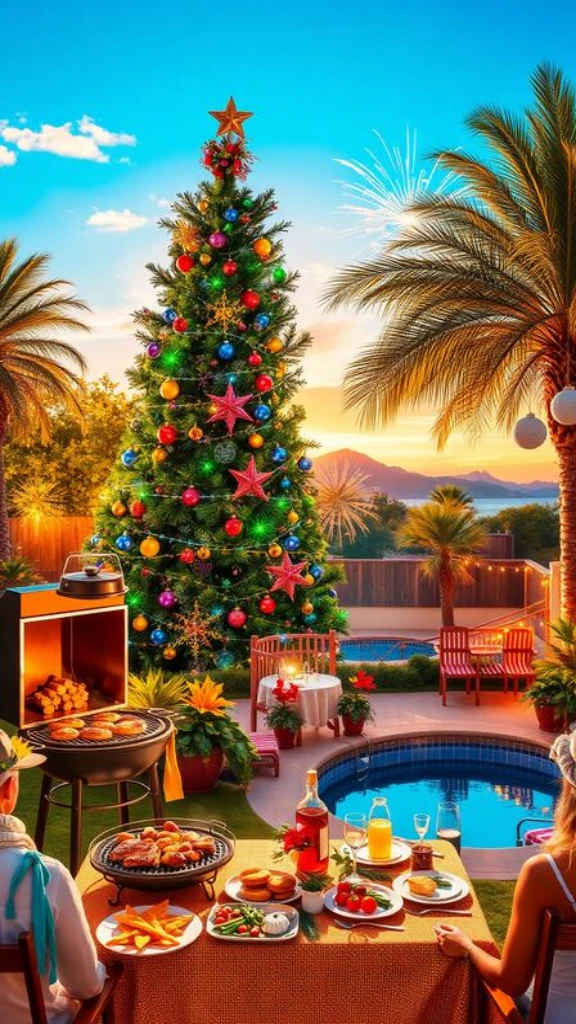
Ever wondered what Christmas looks like when it’s 85°F outdoors and everyone’s grilling meat at midnight? Welcome to Argentina’s festive season! I’ll never forget learning that Argentinians spend Christmas Eve with pyrotechnics while wearing shorts—talk about flipping the script on winter wonderlands.
If you thought snow and sweaters define Christmas, Argentina’s sun-soaked celebrations will blow your mind. Get ready for a sleigh ride through statistics that illustrate Christmas magic works just as well with BBQ smoke as it does with chimney smoke.
From beach Santas to summer feasts, these interesting facts about Christmas in Argentina will make you rethink all you know about the holiday season!
Fascinating Christmas Facts About Argentina for Young Learners
- Argentine kids leave their shoes out on January 5th for the Three Wise Men, not just stockings on Christmas Eve.
- Children write letters to the Magi and tie them to balloons, sending their wishes floating into the summer sky.
- Instead of building snowmen, kids in Argentina often celebrate Christmas at the pool or beach.
- Argentine families hang paper stars called “globos” from their windows and balconies during December.
- Many children receive two sets of gifts—one on Christmas and another on Three Kings’ Day.
- Kids participate in “pesebre” building, creating elaborate nativity scenes with handmade figurines.
- Argentine children sing Christmas carols called “villancicos” with distinctly Latin rhythms.
- Young ones often stay up past midnight on Christmas Eve to watch the fireworks displays.
- Cotton is used as fake snow in decorations because real snow is basically a fairy tale there.
- Kids help gather flowers from the garden to decorate the Christmas table since everything’s blooming.
- Many families let children open just one present at midnight, saving the rest for Christmas morning.
- Argentine kids learn that Papá Noel somehow survives the heat in his heavy red suit.
- Children often participate in neighborhood “posadas,” reenacting Mary and Joseph’s journey.
- Young Argentinians decorate their Christmas trees with summer-themed ornaments alongside traditional ones.
- Kids enjoy special Christmas candies like “turrones” and “garrapiñadas” sold at holiday markets.
- Many children attend outdoor Christmas Eve masses in warm evening weather.
- Argentine youngsters write their Christmas wishes on paper and burn them, believing the smoke carries dreams to heaven.
- Kids often receive swimsuits and beach toys as Christmas presents—perfectly practical for summer holidays.
- Young people learn traditional folk dances performed at Christmas gatherings.
- Children help prepare the special Christmas bread called “pan dulce” with their grandmothers.
- Argentine kids know that Santa’s reindeer must be seriously confused landing in 90-degree heat.
- Many families let children lead the “brindis” (toast) at midnight with sparkling cider.
- Kids decorate outdoor spaces with lights since everyone gathers in patios and gardens.
- Young Argentinians understand that Christmas happens in summer, making their friends from the Northern Hemisphere jealous.
- Children participate in charity drives, collecting toys for less fortunate kids during the festive season.
Traditional Argentine Christmas Feast Delights
- “Vitel toné” is the star dish—cold sliced veal covered in a creamy tuna sauce that sounds weird but tastes incredible.
- The Christmas table isn’t complete without “pan dulce,” a sweet bread studded with dried fruits and nuts.
- Argentine families grill “asado” even on Christmas, because barbecue transcends all holidays.
- “Pionono” rolls—sponge cake rolled with dulce de leche—appear on every dessert table.
- Cold cuts and cheese platters start the meal since hot appetizers make no sense in summer heat.
- “Ensalada rusa” (Russian salad) with potatoes, peas, and mayo is a Christmas Eve staple.
- Sparkling cider called “sidra” flows freely, clinking glasses at midnight under the stars.
- “Turrón” from Spain becomes an Argentine obsession every December—almond nougat perfection.
- Families prepare “matambre arrollado,” a rolled flank steak stuffed with vegetables and hard-boiled eggs.
- Fresh fruit salads replace heavy puddings because who wants hot desserts when it’s scorching outside?
- “Budín inglés” (English pudding) gets an Argentine twist with dulce de leche drizzled everywhere.
- Christmas cookies called “masitas” come in dozens of varieties, each family claiming theirs are best.
- Cold roasted chicken appears alongside the beef because Argentinians don’t discriminate against poultry.
- “Champagne” (actually just any sparkling wine) pops at midnight for the traditional toast.
- Fresh cherries are the holiday fruit since they’re in peak season during Southern Hemisphere summer.
- “Almendrados” (almond macaroons) crumble deliciously alongside coffee after the feast.
- Ice cream replaces traditional hot desserts—often served with “panettone” for textural contrast.
- Grilled provolone cheese called “provoleta” starts many Christmas asados with melty goodness.
- “Garrapiñadas” (candied peanuts) are sold on street corners throughout December, filling the air with caramel sweetness.
- Families serve “lengua a la vinagreta” (tongue in vinaigrette) as a traditional cold meat dish.
- Fresh tomato and mozzarella salads bring lightness to the heavy meat-focused meal.
- “Mantecol,” a peanut butter nougat bar, mysteriously appears in every household come December.
- Grilled sweetbreads (“mollejas”) often join the asado lineup for adventurous eaters.
- Wine from Mendoza vineyards flows generously, with families debating Malbec versus Cabernet.
- The midnight feast can last until 3 AM because when the food’s this good, who’s watching the clock?
Summer Christmas Weather Wonders in Argentina
- Christmas Day temperatures regularly hit 85-95°F across most of Argentina’s regions.
- Buenos Aires experiences long summer days with sunset happening around 8:30 PM on Christmas Eve.
- The northern provinces can reach sweltering 100°F+ temperatures during the holiday season.
- Southern Patagonia offers milder Christmas weather, occasionally reaching only 60-70°F.
- Thunderstorms often roll through on December afternoons, cooling things down for evening celebrations.
- Argentinians joke that the only white Christmas they’ll see is the foam from their beer.
- Christmas Eve often means dining outside under ceiling fans or in gardens with string lights.
- Beach towns along the Atlantic coast see massive crowds escaping inland heat for coastal Christmas vacations.
- The Andes region provides the only chance for actual snow during Christmas, though it’s rare at lower elevations.
- UV indexes soar during Christmas week, making sunscreen as essential as presents.
- Many families schedule Christmas lunch for early afternoon when it’s marginally cooler, then nap through the worst heat.
- Swimming pools become the center of Christmas Day activities for families lucky enough to have them.
- The pampas grasslands shimmer with heat waves during midday Christmas festivities.
- Cordoba’s sierras offer slightly cooler mountain Christmas escapes for heat-weary porteños.
- January typically brings even hotter weather, making December Christmas feel almost mild in comparison.
- Air conditioning units work overtime during Christmas week, and power grids sometimes protest.
- The summer solstice happens just days before Christmas, giving Argentina its longest daylight of the year.
- Humidity in northeastern Argentina makes Christmas feel like celebrating in a sauna.
- Mar del Plata’s beaches fill with Christmas vacationers seeking ocean breezes and relief.
- Evening temperatures only drop to the 70s, making midnight celebrations pleasantly warm rather than sweltering.
- Christmas clothing shopping means finding the lightest, airiest fabrics possible—velvet is nobody’s friend.
- The “Zonda” wind occasionally blows hot air from the mountains during December, raising temperatures further.
- Many Argentinians schedule Christmas travel to Patagonia’s cooler south or escape to Uruguay’s beaches.
- Outdoor Christmas decorations must withstand intense summer sun without melting or fading.
- Weather forecasts become crucial for planning outdoor Christmas Eve parties and firework displays.
Christmas Celebrations for Children Across Argentina
- Kids gather in plazas throughout December for community tree-lighting ceremonies with music and candy.
- Shopping malls host Papá Noel visits where children can take photos and share their wish lists.
- Schools organize year-end parties called “fiestas de fin de año” combining Christmas themes with summer fun.
- Many communities host Christmas puppet shows in parks during the warm December evenings.
- Children participate in “chocolatadas”—community hot chocolate gatherings despite the heat, because tradition.
- Youth orchestras and choirs perform Christmas concerts in outdoor amphitheaters across cities.
- Kids help their parents set up elaborate nativity scenes that grow larger and more detailed each year.
- Summer camps with Christmas themes operate during late December school holidays.
- Children participate in neighborhood Christmas parade floats decorated with lights and flowers.
- Many families take kids to see Christmas light displays in wealthy neighborhoods like Palermo.
- Young people exchange “amigo invisible” (Secret Santa) gifts at school before summer vacation starts.
- Kids write Christmas cards for elderly neighbors as part of community service projects.
- Children learn to make traditional Christmas crafts like paper stars and painted ornaments in workshops.
- Beach Christmas parties for families include sandcastle competitions with holiday themes.
- Kids perform in Christmas pageants at churches, often sweating through angel costumes.
- Many children help bake Christmas cookies weeks in advance, sneaking dough when adults aren’t looking.
- Young Argentinians count down to “Nochebuena” with advent calendars filled with local chocolates.
- Kids organize their own neighborhood caroling groups, going door-to-door for coins and candy.
- Children participate in toy drives, learning about giving during the season of receiving.
- Many families let kids stay up late on Christmas Eve as a special treat, creating magical memories.
- Young people attend outdoor movie screenings of Christmas films in parks and plazas.
- Kids help string lights on trees and bushes in the garden for the outdoor Christmas celebration.
- Children often receive bicycles or roller skates—perfect gifts for summer outdoor adventures.
- Many families take kids to Christmas markets where they can ride carnival attractions and play games.
- Young Argentinians develop lifelong memories of fireworks, warm nights, and summer Christmas magic that feels uniquely theirs.
Understanding Argentina’s Summer Christmas Season
- Yes, Argentina celebrates Christmas during their summer season while Northern Hemisphere freezes.
- The Southern Hemisphere’s seasons are opposite, making December through February Argentina’s hottest months.
- Christmas falls right at the beginning of summer vacation for Argentine students.
- Most businesses close for a week or more during the summer Christmas period for family time.
- Beach resorts become premium destinations for Argentinians escaping city heat during Christmas week.
- The summer Christmas season means pool parties replace cozy fireplace gatherings.
- Argentinians embrace their unique summer Christmas rather than forcing Northern traditions that don’t fit.
- Holiday decorations blend traditional winter imagery with tropical and summer elements.
- Many Argentine families plan their biggest vacation of the year around the Christmas-New Year period.
- The summer season allows for all-night outdoor celebrations that winter climates couldn’t support.
- Christmas Day barbecues happen in backyards, parks, and beaches across the country.
- Fireworks light up warm summer skies instead of cold winter nights.
- The agricultural calendar means fresh summer produce fills Christmas tables with seasonal flavors.
- Summer Christmas enables extended family gatherings in outdoor spaces without weather worries.
- Tourist destinations see peak season during Christmas, with accommodations booking out months in advance.
- The concept of a “White Christmas” exists only in movies for most Argentinians.
- Summer Christmas shopping happens in hot weather, making air-conditioned malls prime destinations.
- Many families plan Christmas camping trips to national parks and lakeside resorts.
- The warm weather allows street vendors to sell Christmas treats and toys at outdoor markets.
- Summer Christmas means fresh flowers decorate tables instead of evergreen branches.
- Athletic Christmas activities like beach volleyball and swimming replace sledding and ice skating.
- The season allows for neighborhood block parties that last until dawn without cold driving people inside.
- Christmas lights compete with long daylight hours, only really shining after 9 PM.
- Summer Christmas creates a festive atmosphere that feels vibrant, colorful, and uniquely South American.
- Argentinians wouldn’t trade their summer Christmas for a cold one—it’s part of their cultural identity.
Australian and Argentine Christmas Connections
- Both Argentina and Australia celebrate Christmas during sweltering summer heat in December.
- Southern Hemisphere Christmas traditions create bonds between these geographically distant nations.
- Beach barbecues define Christmas Day in both countries, though the meats differ dramatically.
- Neither country relates to snowy Christmas card imagery sold in stores.
- Both nations adapted European Christmas traditions to fit their summer climate realities.
- Australians and Argentinians both joke about sweaty Santas in their respective summer temperatures.
- Outdoor Christmas celebrations are the norm in both countries due to favorable weather.
- Both cultures embrace seafood in their Christmas feasts alongside traditional meats.
- Summer fruit replaces winter produce on holiday tables in Argentina and Australia alike.
- Neither country’s children understand the concept of Christmas snow except through imported media.
- Both nations experience an exodus to beaches and vacation spots during Christmas week.
- Fireworks light up warm summer nights in coastal cities across both countries.
- Australians and Argentinians share the challenge of keeping chocolate gifts from melting.
- Both countries blend indigenous and immigrant traditions into unique Christmas celebrations.
- Summer Christmas shopping in intense heat connects these Southern Hemisphere experiences.
- Neither culture embraces heavy winter clothing as Christmas gift options—swimwear makes more sense.
- Both nations’ Christmas celebration photos confuse Northern Hemisphere friends with their sunshine and shorts.
- Australian and Argentine families both gather outdoors for extended Christmas feasts lasting hours.
- The reversal of seasons creates similar cultural adaptations in holiday decoration and celebration.
- Both countries’ tourism industries boom during the Christmas summer season.
- Neither Argentina nor Australia lets traditional Northern imagery dictate how they celebrate Christmas.
- Summer Christmas creates distinctive national identities for both countries’ holiday traditions.
- Both cultures prove that Christmas spirit has nothing to do with temperature or snow.
- Argentinians and Australians share understanding when explaining their summer Christmas to confused foreigners.
- These parallel experiences show that Christmas adapts beautifully to any climate or season.
The Most Amazing Christmas Facts About Argentina
- Argentina holds the Guinness World Record for the world’s tallest floating Christmas tree at 278 feet.
- Buenos Aires’ Avenida de Mayo transforms into a massive outdoor Christmas market every December.
- The city of Tandil creates an enormous nativity scene visible from miles away on its hillside.
- Argentine Christmas celebrations blend Catholic traditions with gaucho culture and indigenous influences.
- Families often gather 30+ people for Christmas Eve dinner, with multiple generations present.
- The “pesebre” tradition means some families spend months crafting intricate nativity displays.
- Argentine Christmas songs mix traditional carols with folk music rhythms unique to the region.
- Midnight fireworks on Christmas Eve rival New Year’s displays in many Argentine cities.
- The “brindis” (toast) at midnight is sacred—interrupting it is considered terrible luck.
- Many families attend “Misa de Gallo” (Rooster Mass) at midnight despite the late hour.
- Argentine Christmas traditions emphasize family unity above material gifts and commercial aspects.
- The Three Kings Day on January 6th is often more important for gift-giving than Christmas itself.
- Employers typically give Christmas bonuses called “aguinaldo” by law—usually half a month’s salary.
- Some rural areas still practice “La Rama,” where groups sing door-to-door carrying decorated branches.
- Argentine Christmas markets sell handmade crafts supporting local artisans throughout December.
- The tradition of “Pesebres Vivientes” (Living Nativity Scenes) involves entire communities reenacting the story.
- Christmas Eve is called “Nochebuena,” meaning “Good Night,” emphasizing the evening celebration.
- Many Argentine families keep celebrating through New Year’s, treating it as one extended holiday period.
- The paper star tradition represents the Star of Bethlehem and appears in every neighborhood.
- Argentine Christmas breakfast on December 25th often features leftover “pan dulce” dunked in coffee or milk.
- Charitable giving increases dramatically during December, with toy and food drives everywhere.
- Some families release white doves at midnight symbolizing peace and new beginnings.
- The tradition of “El Gordo de Navidad” (Christmas lottery) creates excitement throughout December.
- Many neighborhoods organize competitions for best-decorated houses, with prizes and bragging rights.
- Argentine Christmas ultimately celebrates “familia” (family), connection, and gratitude above all else—regardless of the weather.
Conclusion
So there you have it—over 250 wonderful facts about Christmas in Argentina that prove holiday enchantment doesn’t need snow to glitter!
Whether you’re planning a summer Christmas excursion, impressing friends with Southern Hemisphere trivia, or just admiring how gloriously diverse worldwide festivities can be, these facts prove that Christmas spirit flourishes at any temperature.
Share these nuggets at your next holiday event, use them to spice up your social media postings, or simply enjoy knowing that somewhere in the world, Santa’s trading his sleigh for a speedboat.
Remember: the best Christmas traditions are the ones that bring people together, whether it’s around a fireplace or a barbecue grill. ¡ Feliz Navidad y que tengas una linda Nochebuena!