Christmas in Japan is unlike anywhere else on Earth—it’s not a national holiday, yet millions celebrate with fried chicken, strawberry shortcake, and romantic dates. Having always been fascinated by how different cultures reinterpret Western holidays, I find Japan’s take on Christmas simply beautiful and wonderfully unusual.
It’s a gorgeous blend of commercial glitz, stolen customs, and uniquely Japanese twists that make December 25th feel like Valentine’s Day met a winter paradise. Ready to learn the most unexpected, touching, and simply astonishing facts about Christmas in Japan?
Let’s uncover this merry mystery together!
5 Essential Facts About Christmas in Japan
- Christmas is not a national holiday in Japan—most people work regular hours on December 25th
- KFC fried chicken has become the unofficial Christmas dinner, with families pre-ordering buckets weeks in advance
- Christmas Eve is considered more romantic than the actual day, similar to Valentine’s Day in Western cultures
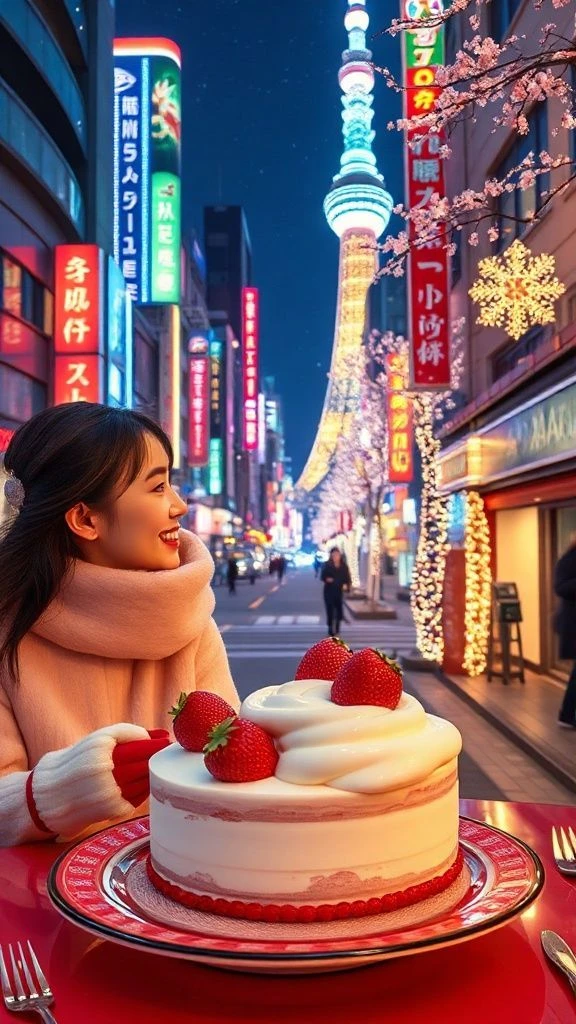
- Japanese Christmas cake is a light sponge cake with strawberries and whipped cream, eaten specifically on Christmas Eve
- Illuminations (elaborate light displays) are more popular than Christmas trees in public spaces
- Only about 1-2% of Japan’s population identifies as Christian, yet Christmas is widely celebrated
- Department stores begin Christmas displays and music as early as November 1st
- Christmas is primarily a commercial and secular celebration rather than a religious observance
- The famous Shibuya crossing gets decorated with millions of LED lights during the Christmas season
- “Kurisumasu” (クリスマス) is how Christmas is pronounced in Japanese, borrowed from English
- Exchanging Christmas gifts among friends and romantic partners is common, but family gift-giving is less traditional
- Many Japanese people learn about Christmas through American movies and Western pop culture
- Christmas carols are sung in English, even by people who don’t speak the language
- Hotels and romantic restaurants are fully booked months in advance for Christmas Eve
- The tradition of Christmas in Japan only became popular after World War II
10 Surprising Facts About Christmas in Japan
- The KFC Christmas tradition started with a brilliant 1970s marketing campaign called “Kentucky for Christmas”
- Christmas Eve is one of the busiest nights for proposals and romantic dates in Japan
- Buddhist and Shinto families celebrate Christmas just as enthusiastically as anyone else
- Strawberry shortcake became the traditional Christmas dessert because red and white are festive colors
- Santa Claus is called “Santa-san” or “Santa Kurohsu” (Santa Claus) in Japan
- Japanese children often believe Santa Claus enters through windows since most homes don’t have chimneys
- Christmas decorations come down immediately after December 25th to prepare for New Year’s celebrations
- The Christmas season in Japan runs from mid-November to December 25th, not through January
- “White Christmas” is one of the most popular songs in Japan, despite snow being rare in major cities
- Christmas cards are not traditional—New Year’s cards (nengajo) are sent instead
- Many shopping districts hire foreign workers to dress as Santa Claus for authenticity
- Poinsettias are popular Christmas decorations, but the Japanese name is “shokujitsuso” (猩々草)
- Christmas wreaths are displayed, but the symbolism is largely decorative rather than religious
- Tokyo Tower and Tokyo Skytree have special Christmas illumination displays that attract millions
- The concept of “Christmas magic” is marketed heavily toward children through television and advertising
- Christmas stockings are a relatively new addition, introduced through Western media
- Expensive jewelry is one of the most popular Christmas gifts for romantic partners
- Christmas markets, inspired by German traditions, have become trendy in recent years
- The Imperial Palace does not have special Christmas celebrations or decorations
- Christian churches hold midnight mass, but attendance is mostly from the small Christian community
Facts About Christmas in Japan for Kids
- Santa-san is believed to know if Japanese children have been good or bad, just like in Western countries
- Children write wish lists and leave them by their pillows on Christmas Eve
- Schools are closed for winter break during Christmas, which usually starts around December 25th
- Kids enjoy Christmas parties called “kurisumasu pahtii” with games and gift exchanges
- Decorating small Christmas trees at home is a fun family activity for children
- Many children receive one special gift rather than multiple presents
- Christmas isn’t about religious stories for most kids—it’s about Santa, reindeer, and magic
- Popular Christmas gifts for children include toys, video games, and character merchandise
- Kids often watch Christmas-themed anime episodes and specials on TV
- Making paper snowflakes and origami Christmas decorations is a common school activity
- Children sing Christmas songs in English class, learning “Jingle Bells” and “Rudolph”
- Christmas-themed bentos (lunch boxes) are created by creative parents
- Many kids visit theme parks like Tokyo Disneyland for special Christmas events
- Building snowmen is a Christmas activity in regions where snow falls
- Children learn that Christmas and New Year’s are different holidays with different traditions
- Advent calendars are becoming more popular among Japanese families with children
- Kids enjoy watching “Home Alone” and other Christmas movies dubbed in Japanese
- Christmas morning is not typically gift-opening time—presents appear overnight
- Many children believe Santa travels the world in a single night, despite different time zones
- Japanese kids are taught that Santa lives at the North Pole, just like in Western stories
- Christmas picture books featuring Santa and reindeer are bestsellers in December
- Some children attend Christmas events at churches to learn about the holiday’s origins
- Stuffed reindeer and Santa toys are popular Christmas decorations in kids’ rooms
- Children enjoy Christmas-themed snacks like chocolate coins and candy canes
100 Comprehensive Facts About Christmas in Japan
- Christmas was first introduced to Japan by Christian missionaries in the 16th century
- The holiday was banned during the Edo period when Christianity was outlawed
- Christmas made a comeback during the Meiji era as Japan opened to Western influence
- Department stores like Mitsukoshi began Christmas promotions in the early 1900s
- The Morozoff confectionery company ran Japan’s first Christmas advertisement in 1910
- Christmas became associated with luxury and Western sophistication in pre-war Japan
- American occupation forces after WWII popularized Christmas celebrations
- The 1970s saw an explosion in commercial Christmas marketing
- Christmas illuminations began appearing in Tokyo’s Marunouchi district in the 1980s
- Roppongi Hills’ Christmas illuminations attract over 2 million visitors annually
- The giant Christmas tree at Rockefeller Center inspired similar displays in Japan
- Osaka’s Grand Front features elaborate Christmas light tunnels every year
- Kobe Luminarie, though originally a memorial, has Christmas-like illuminations
- Nabana no Sato in Mie Prefecture has one of Japan’s largest illumination displays
- Christmas-themed trains and buses run in major cities during December
- Starbucks releases special Christmas drinks and merchandise in Japan
- Limited-edition Christmas cosmetics and beauty products are hugely popular
- Japanese fashion brands create special Christmas collections every year
- Christmas playlists dominated by Mariah Carey and Wham! play everywhere
- “Last Christmas” by Wham! is arguably the most iconic Christmas song in Japan
- Japanese artists release Christmas albums and singles for the holiday season
- Christmas concerts featuring classical music are popular among adults
- Jazz clubs host special Christmas Eve performances
- Christmas-themed manga and anime episodes are released annually
- Pokemon releases special Christmas promotional cards and merchandise
- Studio Ghibli films often air on TV during the Christmas season
- Christmas is considered the second-most important gift-giving season after New Year’s
- The average Japanese person spends 20,000-30,000 yen on Christmas celebrations
- Luxury hotels offer Christmas Eve dinner packages costing 30,000-100,000 yen per couple
- Christmas cakes must be purchased and eaten on December 24th—discounts on the 25th are huge
- Unsold Christmas cakes on December 26th symbolize outdated or unwanted things
- The phrase “Christmas cake” once referred to unmarried women over 25 (no longer acceptable)
- Convenience stores sell smaller, individual-sized Christmas cakes
- Decorative Christmas candy and chocolates are popular gifts
- Mont Blanc (chestnut cream desserts) sometimes replace traditional Christmas cake
- Champagne and sparkling wine sales peak during the Christmas season
- Christmas dinner reservations require months of advance booking
- Western-style roast turkey is rare—chicken is far more popular
- Pizza chains offer special Christmas pizzas and party platters
- Christmas-themed bentō boxes are sold at train stations and convenience stores
- Wine and sake with Christmas-themed labels are released seasonally
- French and Italian restaurants are especially popular for Christmas Eve dates
- Christmas-themed afternoon tea sets are offered at luxury hotels
- The concept of “Christmas dinner” is specifically for December 24th
- Christmas morning breakfast is not a special tradition
- Hot pot (nabe) might be enjoyed on Christmas if it’s not a romantic occasion
- Christmas Eve is known as the “busiest night for love hotels” in Japan
- Single people sometimes gather for “Christmas parties” to avoid feeling left out
- Anti-Christmas movements among single people have emerged on social media
- “Kuribocchi” (Christmas alone) describes spending the holiday solo
- Some young people view Christmas pressure as stressful rather than fun
- Group dates and matchmaking events are organized around Christmas
- Christmas weddings are relatively rare compared to spring and fall
- White dresses and tuxedos for Christmas events are inspired by Western weddings
- Christmas-themed photo booths and Instagram spots are set up in shopping districts
- Couples take “illumination tours” visiting multiple light displays in one night
- Wearing Santa hats is common at Christmas parties but not in everyday life
- Reindeer antler headbands are popular accessories during the season
- Christmas sweaters (like ugly Christmas sweaters) are becoming trendy
- Red and green are the dominant Christmas colors in decorations
- Gold and silver decorations are also popular, representing luxury
- Christmas ornaments often feature anime characters and kawaii designs
- Handmade Christmas decorations are popular in craft stores
- 100-yen shops sell affordable Christmas decorations and party supplies
- Miniature Christmas villages and snow globes are collectible items
- Christmas music begins playing in stores immediately after Halloween
- Some people find the two-month Christmas music loop exhausting
- “Silent Night” is sung in both Japanese and English versions
- Christmas carols are performed by school choirs and community groups
- Christian hymns are less commonly known than pop Christmas songs
- Japanese Christmas songs like “Koi Bito ga Santa Claus” exist
- Christmas episodes of variety shows feature celebrity gift exchanges
- Year-end sales (winter sales) coincide with the Christmas shopping season
- Electronics and gadgets are popular Christmas gifts
- Watches and accessories are traditional gifts for romantic partners
- Plush toys and character goods are popular for friends and children
- Gift wrapping services are free at most department stores
- Christmas gift bags and wrapping paper feature Santa, reindeer, and snowflakes
- Re-gifting Christmas presents is generally considered impolite
- Online shopping for Christmas gifts has grown dramatically
- Amazon Japan offers special Christmas deals and recommendations
- Christmas gift sets (assortments of food or cosmetics) are pre-packaged
- Personalized gifts are less common than in Western countries
- The act of gift-giving matters more than the gift’s personal meaning
- Christmas cards from Western countries sometimes confuse Japanese recipients
- Business-related Christmas gifts are not traditional in corporate culture
- Year-end gifts (oseibo) are separate from Christmas presents
- Religious Christmas services are attended mainly by Christians and the curious
- Nativity scenes are rare outside of churches
- The story of Jesus’s birth is not widely known among non-Christians
- Christmas is understood as a Western cultural festival, not religious
- International marriages have influenced how some families celebrate
- Expat communities host traditional Western Christmas celebrations
- International schools in Japan celebrate Christmas more traditionally
- English conversation schools use Christmas as a cultural teaching opportunity
- Christmas vocabulary is taught in English classes during December
- Young Japanese people learn Christmas traditions through social media
- Instagram and TikTok influence Christmas decoration trends
- Christmas has become more commercialized each decade
- Despite commercialization, many Japanese people genuinely enjoy the festive spirit
Japan Christmas Traditions
- Booking a Christmas Eve dinner reservation months in advance is essential
- Ordering KFC requires advance reservations—walk-ins face hour-long waits
- Picking up pre-ordered Christmas cake on December 24th is a family tradition
- Dressing up for Christmas Eve dates is expected, especially for women
- Exchanging gifts with romantic partners is customary on Christmas Eve
- Illumination dates are a must-do activity for couples
- Watching romantic Christmas movies together is a popular couple activity
- Christmas Eve proposals have become a cultural phenomenon
- Giving jewelry, especially rings and necklaces, is traditional for couples
- Hotel stays on Christmas Eve are considered romantic and special
- Christmas parties at workplaces and with friends happen throughout December
- Secret Santa gift exchanges are called “purezento kōkan”
- Setting up a small Christmas tree at home is common in apartments
- Decorating with LED lights and small ornaments is typical
- Placing a Santa figurine or decoration at the entrance is popular
- Creating a festive atmosphere with candles and fairy lights is trendy
- Preparing special Christmas-themed meals at home is less common than dining out
- Watching Christmas specials on TV is a cozy evening tradition
- Attending Christmas markets to shop for gifts and try seasonal foods
- Drinking hot wine (mulled wine) at Christmas markets is becoming popular
- Ice skating at outdoor Christmas rinks in Tokyo and Osaka
- Visiting theme parks decorated for Christmas with family
- Taking Christmas-themed photos for social media and year-end cards
- Wearing matching couple outfits or accessories on Christmas Eve
- Listening to Christmas playlists while shopping or decorating
Japan Christmas History
- Francis Xavier introduced Christianity and Christmas to Japan in 1549
- Early Japanese Christians celebrated Christmas secretly during persecution
- The Shimabara Rebellion (1637-1638) led to stricter Christmas bans
- Christmas remained underground for over 200 years during the Edo period
- The Meiji Restoration (1868) allowed religious freedom to return
- Ginza’s Morozoff bakery created the first Christmas advertisement in 1910
- The 1914 Christmas truce in WWI was reported in Japanese newspapers
- Department stores imported Christmas decorations from Europe in the 1920s
- Christmas became associated with Western modernity and sophistication
- The 1930s saw growing interest in Christmas among urban middle-class families
- WWII temporarily halted Christmas celebrations due to anti-Western sentiment
- American soldiers celebrated Christmas in Japan during the occupation (1945-1952)
- The 1950s saw Christmas marketed as a symbol of peace and prosperity
- Japanese companies adopted Christmas bonuses (though called “winter bonuses”)
- The 1960s economic boom made Christmas gifts more affordable
- Television commercials in the 1960s heavily promoted Christmas products
- KFC opened its first Japan location in 1970, introducing fried chicken
- The 1974 KFC “Kentucky Christmas” campaign revolutionized Japanese Christmas
- Christmas cakes became widely popular in the 1970s
- The bubble economy of the 1980s made lavish Christmas spending trendy
- Tokyo Disneyland opened in 1983, offering American-style Christmas celebrations
- Christmas illuminations became competitive among shopping districts in the 1990s
- The concept of “White Christmas” romance was popularized by 1990s TV dramas
- The 2000s saw Christmas becoming increasingly commercialized
- Social media in the 2010s amplified Christmas celebration trends and expectations
Where to Spend Christmas in Japan
- Tokyo Disneyland and DisneySea offer magical Christmas events and parades
- Roppongi Hills features stunning Christmas illuminations and a Christmas market
- Shibuya’s shopping district transforms with millions of twinkling lights
- Shinjuku’s department stores showcase elaborate window displays
- Tokyo Midtown has an outdoor ice rink and illumination displays
- Marunouchi Illumination creates a romantic tree-lined walkway
- Tokyo Skytree lights up with special Christmas colors
- Odaiba’s waterfront offers romantic Christmas views
- Yokohama’s Red Brick Warehouse hosts a popular Christmas market
- Yokohama Cosmo World amusement park features Christmas rides and lights
- Osaka’s Umeda Sky Building has spectacular rooftop Christmas views
- Namba Parks in Osaka features massive Christmas tree displays
- Universal Studios Japan offers Christmas shows and themed attractions
- Kyoto’s temples don’t celebrate Christmas, but hotels and restaurants do
- Arashiyama Bamboo Grove is beautiful during winter but not Christmas-specific
- Kyoto Station’s illuminations and massive Christmas tree are impressive
- Sapporo’s snow creates an authentic “White Christmas” atmosphere
- Sapporo’s Shiroi Koibito Park has Christmas-themed chocolate factory tours
- Hokkaido’s winter landscapes provide stunning Christmas backdrops
- Kobe’s Harborland features beautiful waterfront Christmas lights
- Kobe Mosaic garden has European-style Christmas decorations
- Nagoya’s Nagashima Spa Land has one of Japan’s largest illumination displays
- Fukuoka’s Canal City hosts Christmas performances and illuminations
- Harajuku’s Omotesando Avenue is famous for its elegant tree lights
- Mount Rokko in Kobe offers Christmas illuminations with panoramic views
- Enoshima Island near Tokyo features lighthouse illuminations
- Nabana no Sato in Nagashima has breathtaking winter flower and light displays
- Luxury hotels like the Park Hyatt Tokyo offer exclusive Christmas dining
- Karuizawa resort town provides a snowy, romantic Christmas getaway
- Hakone’s hot springs offer relaxing Christmas escapes with mountain views
Conclusion
Christmas in Japan is a beautiful reminder that holidays can develop and adapt while still giving joy and connectedness to people’s lives. Whether you’re captivated by the KFC custom, enchanted by the illuminations, or amused by the romantic Christmas Eve craze, there’s something wonderfully special about how Japan has made this Western holiday its own.
Next time December rolls around, consider adding a Japanese twist to your celebrations—maybe try a strawberry shortcake, plan a romantic meal, or simply enjoy the shine without the stress.
After all, Christmas in Japan illustrates that the holiday spirit isn’t about following rules—it’s about creating moments that make your heart feel warm, even in the coldest winter. Merry Kurisumasu!