Ever wonder how the nation of lanterns and dragons celebrates the season of jingle bells? Christmas in China is like finding a fortune cookie at a gingerbread house—unexpected, pleasant, and full of surprises!
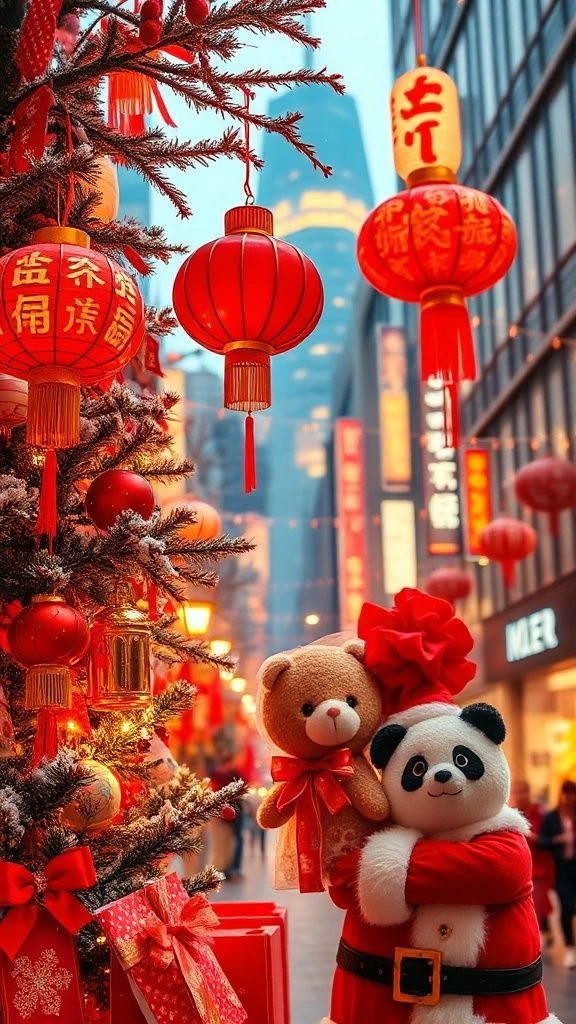
While it’s not a traditional holiday here, the joyful spirit has carved out its own odd niche in Chinese society. I still recall my first December in Shanghai, watching a neon-lit Santa riding a gigantic panda decoration outside a shopping center.
It was odd, fantastic, and certainly Instagram-worthy! Let’s dive into this unique blend of East-meets-West holiday cheer and see how China puts its own touch on Christmas enchantment.
Christmas in China Facts for Students
- Christmas isn’t an official public holiday in China, so most people still go to work and school on December 25th.
- Only about 1% of China’s population is Christian, making Christmas more of a cultural phenomenon than a religious celebration.
- The commercial aspect of Christmas arrived in China during the 1980s when the country opened up to Western influences.
- Major cities like Beijing, Shanghai, and Guangzhou embrace Christmas more enthusiastically than rural areas.
- Christmas Eve is actually more popular than Christmas Day itself in China, especially among young people.
- Chinese students often exchange apples on Christmas Eve because “apple” sounds similar to “peace” in Mandarin.
- International schools in China celebrate Christmas with traditional Western customs like carol singing and gift exchanges.
- Many Chinese universities host Christmas parties where students perform Western holiday songs and dances.
- The tradition of giving gifts has become increasingly popular among Chinese youth, especially in urban centers.
- Christmas trees in China are often artificial and can be found in shopping malls decorated with red and gold ornaments.
- Some Chinese schools teach students about Western Christmas traditions as part of cultural education programs.
- The concept of Santa Claus is known in China as “Shèngdàn Lǎorén” which literally means “Christmas Old Man.”
- Christmas markets have started appearing in major Chinese cities, selling imported decorations and festive treats.
- Young Chinese people use Christmas as an opportunity to hang out with friends, similar to how they celebrate Valentine’s Day.
- Educational institutions sometimes organize Christmas-themed English learning activities during December.
- The commercial success of Christmas in China has made it a significant retail season, second only to Chinese New Year.
- Many Chinese students learn about the birth of Jesus as a historical figure rather than a religious celebration.
- Christmas cards and holiday greetings have become popular among Chinese students who want to practice English.
- Some Chinese schools organize charity events during Christmas season, teaching students about giving back.
- The Western tradition of advent calendars is slowly gaining popularity among internationally-minded Chinese families.
Christmas in China for Kids
- Chinese children often receive “peace apples” wrapped in colorful cellophane as Christmas gifts from friends and family.
- Kids in China might visit shopping malls to take photos with Santa Claus, even if they don’t fully understand the tradition.
- Christmas-themed cartoons and movies become popular viewing choices for Chinese children during December.
- Many Chinese children learn simple Christmas songs like “Jingle Bells” in their English classes at school.
- Toy stores in China stock up on Christmas-themed toys and games during the holiday season.
- Some Chinese parents use Christmas as an additional opportunity to reward their children with special treats.
- Children in international schools in China often participate in nativity plays and Christmas pageants.
- Gingerbread house decorating has become a fun activity for kids in some Chinese cities.
- Christmas-themed amusement park events attract families with young children in urban areas.
- Chinese children might write wish lists to Santa, blending Western customs with their own cultural practices.
- Animated Christmas specials are dubbed into Mandarin and broadcast on children’s television channels.
- Many Chinese kids enjoy making paper snowflakes and Christmas decorations during art classes in December.
- Children’s books featuring Christmas stories are increasingly available in Chinese bookstores.
- Some Chinese families take their kids to see Christmas light displays at botanical gardens or parks.
- Christmas-themed video games and mobile apps become popular downloads among Chinese youth during the season.
- Young children in China might believe Santa lives at the North Pole, just like kids in Western countries.
- Christmas pajamas and festive clothing for children have become trendy items in Chinese fashion stores.
- Kids participate in gift exchanges at school, learning about the joy of giving and receiving.
- Christmas baking classes for children have popped up in some Chinese cities, teaching cookie decorating skills.
- Chinese children enjoy the festive atmosphere without the pressure of religious obligations, making it purely fun.
Christmas in China Facts KS2
- In China, Christmas is called “Shèngdàn Jié” which translates to “Holy Birth Festival.”
- The tradition of decorating with lights during Christmas mirrors China’s own Lantern Festival traditions.
- Christmas coincides with winter in China, but snow is only common in northern regions like Harbin.
- Chinese factories produce about 60% of the world’s Christmas decorations, yet few Chinese families use them at home.
- The color red, which represents luck in Chinese culture, naturally fits with Christmas color schemes.
- Some Chinese Christian churches hold special midnight masses on Christmas Eve, similar to Western traditions.
- Hong Kong, as a former British colony, celebrates Christmas more traditionally than mainland China.
- Christmas sales in China can rival Western Black Friday events, with huge discounts at shopping centers.
- The concept of Christmas stockings exists in China but is not widely practiced outside expat communities.
- Chinese children learn that different countries celebrate holidays differently, promoting cultural awareness.
- The practice of sending Christmas greetings via WeChat (China’s popular messaging app) has become commonplace.
- Some Chinese cities host ice sculpture festivals during Christmas time, particularly in Harbin.
- The tradition of mistletoe is virtually unknown in China, as it doesn’t grow naturally there.
- Christmas-themed afternoon tea services have become fashionable in upscale Chinese hotels.
- Chinese youngsters use Christmas as an excuse to dress up and take photos for social media.
- The tradition of Christmas caroling isn’t common, but Western-style choirs perform in major shopping districts.
- Chinese department stores compete to create the most elaborate Christmas window displays.
- Christmas movies from Hollywood are released in Chinese cinemas, sometimes becoming box office hits.
- The tradition of writing letters to Santa has been adopted by some Chinese children in international schools.
- Chinese culture’s emphasis on gift-giving naturally aligns with Christmas present-exchange customs.
Chinese Christmas Traditions
- Exchanging apples on Christmas Eve has become the most distinctive Chinese Christmas tradition.
- Young couples treat Christmas Eve as a romantic occasion, similar to Valentine’s Day celebrations.
- Going to KFC for Christmas dinner has become an unexpected but popular tradition in many Chinese cities.
- Booking a KFC Christmas meal requires advance reservation, sometimes weeks ahead of December 25th.
- Christmas parties at karaoke bars (KTV) are common gatherings for young Chinese professionals.
- Giving wrapped apples in decorative boxes has created a whole market of festive apple packaging.
- Hotels and restaurants offer special Christmas buffets featuring both Western and Chinese dishes.
- Christmas-themed afternoon outings to cafes and bakeries have become trendy social activities.
- Some Chinese families adopt the tradition of decorating a small Christmas tree at home.
- Department stores host elaborate Christmas light shows that draw massive crowds every evening.
- The tradition of countdown events on Christmas Eve rivals New Year’s Eve celebrations in some cities.
- Christian Chinese families attend church services and sing hymns, maintaining religious observance.
- Exchanging Christmas cards has become popular among business professionals for networking purposes.
- Some Chinese restaurants create fusion Christmas dishes, blending Western holiday foods with Chinese flavors.
- Shopping for Christmas gifts has become a bonding activity for friends and family members.
- Wearing Santa hats or Christmas-themed accessories has become a fun fashion statement in December.
- Taking selfies with Christmas decorations is practically mandatory for social media-savvy Chinese youth.
- Some families watch Christmas movies together, making it a cozy winter evening tradition.
- Christmas-themed charity events and volunteering have gained traction in major cities.
- Hotel lobbies compete to build the tallest and most impressive Christmas tree displays.
- Street vendors sell roasted chestnuts and sweet potatoes, creating a festive winter atmosphere.
- Christmas concerts featuring both Western classical music and Chinese performances are held in theaters.
- Some Chinese people have started the tradition of making Christmas wishes rather than New Year resolutions.
- Bakeries sell Christmas-themed cakes decorated with festive designs, though mooncake-style Christmas treats exist too.
- The tradition of Secret Santa gift exchanges has caught on in some Chinese workplaces.
Christmas in China Food
- KFC’s Christmas meals in China can include dishes like roast chicken with cranberry sauce and Christmas cake.
- Apples are the most iconic Christmas food in China, especially fancy imported ones wrapped beautifully.
- Christmas cakes in China often feature less frosting and more fruit compared to Western versions.
- Bakeries create Christmas-themed pastries with red bean paste fillings, merging East and West flavors.
- Hot chocolate and festive lattes become popular beverages at Chinese coffee chains during December.
- Some Chinese restaurants offer Christmas set menus with dishes like roast turkey and mashed potatoes.
- Gingerbread cookies have found their way into Chinese bakeries, though they’re often less spicy than Western versions.
- Christmas-themed dim sum featuring festive shapes and colors appears in some Cantonese restaurants.
- Imported Christmas chocolates and candies are popular gifts but come with premium price tags.
- Pizza chains in China offer Christmas-themed pizzas with toppings like cranberries and cheese.
- Starbucks China releases special Christmas drinks and merchandise that become collector’s items.
- Traditional Chinese hot pot restaurants might offer Christmas-themed broths and decorative ingredients.
- Christmas fruit baskets containing imported oranges, grapes, and pears are given as premium gifts.
- Some Chinese families prepare Western-style Christmas dinners at home, learning recipes from online videos.
- Christmas cookies shaped like pandas or Chinese zodiac animals blend cultural traditions.
- Candy canes are imported and sold in Chinese supermarkets, though they’re not as common as in the West.
- Christmas-themed bubble tea flavors featuring peppermint or gingerbread appear at popular tea shops.
- Roasted chestnuts sold by street vendors create a nostalgic Christmas atmosphere in winter.
- Some Chinese restaurants create “Christmas dumplings” with special festive fillings.
- Christmas pudding and fruitcake are available in imported food sections but aren’t widely popular.
- Chinese bakeries make Christmas-themed bread shaped like Christmas trees or snowmen.
- Mulled wine and festive cocktails are served at Western-style bars in major Chinese cities.
- Some families prepare jiaozi (Chinese dumplings) alongside Western Christmas foods for fusion meals.
- Christmas-themed bento boxes with festive decorations appeal to Japanese-food-loving Chinese consumers.
- Fancy hotels offer Christmas brunches with both Western buffet items and Chinese breakfast favorites.
Does China Celebrate Christmas and New Year
- China celebrates New Year twice—the international New Year on January 1st and Chinese New Year based on the lunar calendar.
- January 1st is an official public holiday in China, while December 25th is not.
- Chinese New Year (Spring Festival) remains the most important holiday celebration in China, far exceeding Christmas.
- The commercial aspects of Christmas have been embraced, but the religious significance is largely absent for most Chinese.
- New Year’s Eve on December 31st sees countdown celebrations in major cities with fireworks and parties.
- Many Chinese people travel internationally during the Christmas-New Year period to experience winter holidays abroad.
- The period between Christmas and Chinese New Year is considered a shopping season with continuous sales.
- While Christmas is casual, Chinese New Year involves extensive family reunions and traditional rituals.
- International New Year is celebrated with parties and gatherings, but it’s nowhere near as significant as Spring Festival.
- Some Chinese companies host year-end parties during the Christmas season rather than on specific dates.
- The concept of New Year resolutions exists in China but is less formalized than in Western countries.
- Christmas in China is largely for young people, while New Year celebrations include all generations.
- Chinese businesses remain open on Christmas Day but close for several days during Chinese New Year.
- The exchange of red envelopes with money during Chinese New Year far outweighs Christmas gift-giving.
- New Year decorations in China focus on the zodiac animal of the upcoming year rather than winter themes.
- Some Chinese people celebrate all three occasions—Christmas, International New Year, and Chinese New Year.
- Television broadcasts special programming for both International New Year and Chinese New Year, but not Christmas.
- The migration of workers returning home for Chinese New Year creates the world’s largest annual human migration.
- While Christmas is increasingly visible in cities, rural China focuses almost exclusively on traditional Chinese holidays.
- Young Chinese urbanites might party for Christmas, countdown at New Year, and travel home for Spring Festival.
Chinese Christmas Decorations
- Christmas trees in China are typically artificial and often silver or white rather than traditional green.
- Red and gold decorations dominate Chinese Christmas displays, aligning with lucky colors in Chinese culture.
- Shopping malls create elaborate Christmas villages with fake snow, reindeer, and oversized ornaments.
- Inflatable Santa Claus figures appear on building exteriors, sometimes reaching several stories high.
- LED light displays in China can be incredibly elaborate, featuring animated scenes and synchronized music.
- Christmas wreaths are less common than in the West, with most decorations focusing on trees and lights.
- Some Chinese businesses decorate with both Christmas and Chinese New Year elements simultaneously.
- Paper snowflakes and lanterns blend Chinese craftsmanship with Western Christmas themes.
- Giant Christmas tree structures made of lights appear in public squares during December.
- Window clings featuring Santa, snowflakes, and reindeer decorate store windows and glass buildings.
- Chinese Christmas decorations often include characters from popular cartoons mixed with traditional symbols.
- Luxury brands create extravagant Christmas installations in high-end shopping districts to attract customers.
- Red bows and ribbons, which symbolize luck and celebration, naturally fit Christmas decoration schemes.
- Some hotels create gingerbread house displays, though they’re more for viewing than eating.
- Christmas garlands and tinsel are available but used more sparingly than in Western countries.
- Projection mapping technology creates dynamic Christmas scenes on building facades in major cities.
- Ornaments featuring Chinese zodiac animals alongside traditional Christmas symbols are becoming popular.
- Nativity scenes are rare in Chinese Christmas decorations, focusing instead on secular symbols.
- Christmas lights are often synchronized to music, creating spectacular evening light shows.
- Some Chinese families decorate with miniature Christmas trees on desktops rather than full-sized ones.
- DIY Christmas decoration workshops have become popular activities in Chinese community centers.
- Christmas banners with bilingual greetings (Chinese and English) hang in international shopping areas.
- Artificial snow machines create winter wonderlands in southern Chinese cities that never see real snow.
- Christmas-themed photo booths with props appear in malls, attracting families and young people.
- Some Chinese artists create fusion decorations, like Christmas trees made from traditional Chinese materials like bamboo or paper.
Conclusion
And there you have it—Christmas in China is like a holiday remix you never knew you needed! From peace apples to KFC feasts, China has absorbed Western traditions and given them a uniquely Chinese spin.
Whether you’re a student fascinated by culture blending, a teacher looking for instructional information, or just someone who loves holiday trivia, these facts indicate that Christmas magic recognizes no borders.
So each time December rolls around, remember that somewhere in Shanghai, someone’s definitely shooting a photo with a light-up panda wearing a Santa hat.
Now that’s the spirit of global celebration! Keep spreading the cheer, and may your Christmas be happy, bright, and delightfully unexpected!